Leveraging Astilbe Flowers Stained Glass for Strategic Visual Branding
In the crowded digital and physical marketplace, visual differentiation is not merely an aesthetic choice; it is a strategic imperative. For creators, small business owners, and marketing professionals, the selection of design assets can significantly influence brand perception, customer engagement, and ultimately, conversion rates. One such asset that offers a unique blend of organic beauty and structured artistry is Astilbe Flowers Stained Glass. This specific design motif combines the delicate, feathery plumes of the Astilbe plant with the vibrant, light-refracting qualities of stained glass art. Understanding how to deploy this visual element effectively requires more than just an eye for color; it demands a thoughtful approach to branding, user experience, and product development.
The Strategic Value of Hybrid Design Elements
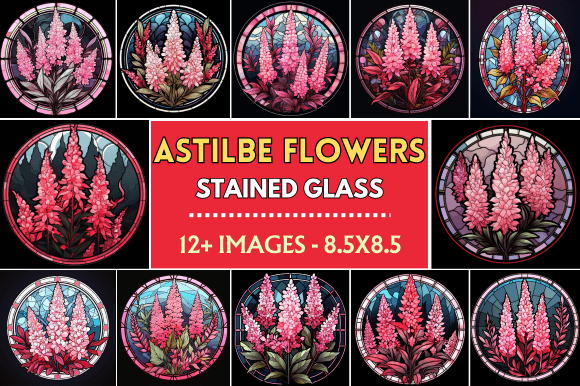
Why choose Astilbe Flowers Stained Glass over generic floral patterns or standard geometric backgrounds? The answer lies in its dual nature. Astilbe flowers are known for their texture and verticality, suggesting growth, elegance, and natural resilience. When rendered in a stained glass style, these organic forms are framed by bold, defining lines and filled with rich, translucent colors. This combination creates a visual tension that captures attention. For entrepreneurs and marketers, this means the design does more than decorate; it communicates complexity and quality.
From a psychological perspective, stained glass evokes feelings of tradition, craftsmanship, and warmth. It suggests that what lies behind the design is valuable and worthy of inspection. By integrating Astilbe Flowers Stained Glass into your visual identity, you are subtly signaling attention to detail. This is particularly effective for brands positioning themselves in the premium, artisanal, or wellness sectors. The design serves as a non-verbal cue that reinforces messages of care, beauty, and intentionality.
Practical Applications Across Product Lines
The versatility of this design format allows for widespread application across various mediums. However, successful implementation depends on matching the asset’s resolution and format to the intended use case. The included high-definition images, available in both PNG and PDF formats at 8.5” x 8.5”, provide the flexibility needed for diverse projects. Here is how strategic planners and creators can maximize the utility of these assets:
- Product Packaging and Gift Wrapping: First impressions are critical. Using Astilbe Flowers Stained Glass patterns for gift wrapping or box inserts transforms a standard unboxing experience into a memorable event. The colorful design acts as a tactile and visual delight, encouraging social sharing and reinforcing brand loyalty.
- Custom Merchandise and Apparel: For those utilizing print-on-demand services, the high-quality PNG files are ideal for sublimation printing. The design works exceptionally well on acrylic tumblers, mugs, and tote bags. The "Straight Tumbler Wrap Png" and "3d Tumbler Wrap" options ensure that the pattern aligns correctly on curved surfaces, maintaining visual continuity without distortion. This reduces waste and increases the perceived value of the final product.
- Digital Content and Social Media: In an era where scroll-stopping visuals are currency, these graphics can serve as overlays for Instagram stories, Pinterest pins, or blog headers. The transparent background capability of PNG files allows for seamless integration with text and other brand elements, creating professional-looking content with minimal effort.
- Stationery and Corporate Collateral: For educators, freelancers, and consultants, branded stationery sets the tone for professional interactions. Incorporating these designs into greeting cards, invoices, or planner covers adds a layer of personality that distinguishes your communications from generic corporate templates.
Technical Considerations for High-Quality Output
While the artistic merit of Astilbe Flowers Stained Glass is evident, the technical execution is equally important. Poorly scaled images or incorrect file formats can undermine the professional appearance of any project. The inclusion of 12 HD images in both PNG and PDF formats addresses common pain points for creators. PNG files are essential for digital use and projects requiring transparency, such as sticker creation or layered digital scrapbooking. PDFs, on the other hand, are vector-friendly or high-resolution raster formats ideal for print-heavy applications like wall art or large-format posters.
When preparing these assets for print, consider the color profile. Stained glass designs rely heavily on vibrant contrasts. Ensure your printer supports high-fidelity color reproduction to maintain the integrity of the "Colorful Design." For DIY enthusiasts using cutting machines like Cricut, the clear lines of the stained glass pattern facilitate precise cutting, making it suitable for intricate vinyl decals or paper crafts. This interoperability between digital design and physical creation is a key advantage of this bundle.
Risk Management: Avoiding Visual Clutter
One of the primary risks in using detailed patterns like Astilbe Flowers Stained Glass is visual overload. Stained glass is inherently busy, with multiple colors and leading lines. If used indiscriminately, it can distract from the core message or product. To mitigate this, adopt a strategy of balanced composition. Use the design as an accent rather than a dominant force. For example, apply the pattern to the border of a document or the bottom third of a webpage, leaving ample white space for text and calls to action.
Furthermore, consider your audience’s context. A highly complex background may reduce readability on mobile devices or in low-light conditions. Test your designs across different platforms and lighting scenarios. If using the design for text-heavy materials like planners or invitations, ensure sufficient contrast between the text and the background. Sometimes, lowering the opacity of the Astilbe Flowers Stained Glass image or placing it behind a semi-transparent overlay can preserve the aesthetic while enhancing legibility.
Long-Term Branding and Consistency
Strategic use of design assets contributes to long-term brand equity. Consistently using a specific visual motif, such as Astilbe Flowers Stained Glass, helps build brand recognition. Over time, customers begin to associate the unique interplay of floral organicism and geometric structure with your brand’s values. This consistency should extend across all touchpoints, from your website’s favicon to your physical packaging.
However, consistency does not mean stagnation. The bundle’s variety allows for seasonal or campaign-specific adaptations. You might use warmer tones for autumn promotions and cooler, brighter hues for spring launches, all while maintaining the core Astilbe stained glass identity. This approach keeps your branding fresh without losing its foundational recognition factors.
Decision-Making Framework for Creators
Before integrating Astilbe Flowers Stained Glass into your next project, ask yourself three strategic questions:
- Does this design align with my brand’s emotional tone? If your brand is minimalist and stark, this ornate style might clash. If your brand is warm, inviting, and artistic, it is likely a strong fit.
- What is the primary function of this asset? Is it meant to attract attention (marketing) or provide utility (planner pages)? The level of complexity should match the function.
- Is the technical quality sufficient for the intended medium? Verify that the HD resolution meets the DPI requirements for your specific print or display needs to avoid pixelation or blurriness.
By answering these questions, you move from random decoration to intentional design. This shift is crucial for achieving better results in communication and customer experience.
Conclusion: Intentionality in Design
The Astilbe Flowers Stained Glass collection is more than a set of digital files; it is a tool for strategic visual communication. Whether you are designing a custom mug for a client, creating a unique invitation suite, or developing a new line of stationery, the thoughtful application of these assets can elevate your work. By understanding the psychological impact of stained glass aesthetics, respecting technical constraints, and maintaining brand consistency, you can leverage this design to achieve tangible business and creative goals. Remember, the most effective design is not just seen; it is felt and understood. Use these resources to craft experiences that resonate deeply with your audience.