Greenhouse Stained Glass Design Guide
In the evolving landscape of visual communication, designers are constantly seeking assets that blend organic warmth with structural elegance. Greenhouse Stained Glass emerges as a compelling aesthetic choice, offering a unique fusion of botanical motifs and vibrant, light-filtering geometry. This style is not merely decorative; it serves as a powerful tool for enhancing brand identity and capturing audience attention through rich color palettes and intricate patterns.
The Visual Impact of Botanical Geometry
From a professional graphic design perspective, the appeal of stained glass lies in its ability to create immediate visual hierarchy. The interplay of bold outlines and translucent color blocks mimics the way light interacts with physical spaces, adding depth and dimension to flat digital surfaces. When applied to modern aesthetics, this style bridges the gap between vintage craftsmanship and contemporary minimalism.
Using Greenhouse Stained Glass elements allows creators to introduce a sense of tranquility and natural beauty into their projects. Whether used in web design UI components or as background textures for social media graphics, these assets provide a sophisticated backdrop that does not overwhelm primary content. The inherent structure of stained glass patterns helps guide the viewer’s eye, making them ideal for editorial layouts where readability and engagement are paramount.
Practical Applications in Branding and Marketing
Integrating high-quality design assets like these into your workflow can significantly elevate various creative projects. Here is how this specific aesthetic can be leveraged across different mediums:
- Packaging Design: The colorful, mosaic-like nature of stained glass translates beautifully to product packaging, creating shelf appeal that suggests premium quality and artisanal care.
- Digital Products: For creators selling digital papers or printable art, these designs offer versatile options for planners, stickers, and greeting cards, appealing to customers who value both functionality and artistic expression.
- Social Media Content: Use these patterns as overlays or backgrounds to add texture to promotional posts, ensuring your brand stands out in crowded feeds without sacrificing clarity.
- Merchandise: From acrylic tumbler wraps to stationery, the scalability of vector-based or high-resolution PNG formats ensures crisp reproduction on various materials.
Enhancing User Experience Through Texture
In UX and UI design, texture plays a subtle yet critical role in user engagement. Flat design has dominated for years, but there is a growing trend toward "neo-brutalism" and textured interfaces that feel more tactile. Incorporating Greenhouse Stained Glass motifs can soften digital interfaces, making apps and websites feel more inviting and less sterile. This approach is particularly effective for brands in the wellness, lifestyle, and creative industries, where emotional connection is key to conversion.
Selecting and Evaluating Design Assets
When choosing creative assets for professional use, quality and versatility are non-negotiable. A premium design kit should offer more than just static images. Look for resources that include multiple file formats, such as PNG and PDF, to ensure compatibility with various software tools like Adobe Illustrator, Photoshop, or Cricut Design Space.
Consider the following factors when evaluating these assets:
- Resolution and Scalability: Ensure images are high-definition (HD) to prevent pixelation when scaled for large format prints like wall art or banners.
- Color Consistency: The color palette should be cohesive, allowing for easy integration into existing brand systems without clashing.
- Transparency Options: PNG files with transparent backgrounds are essential for layering elements over photos or colored backgrounds in composite designs.
- Versatility: Assets should work equally well for digital screens and print media, maintaining vibrancy and detail in both contexts.
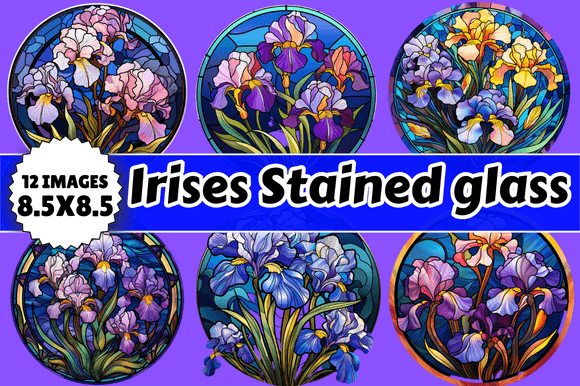
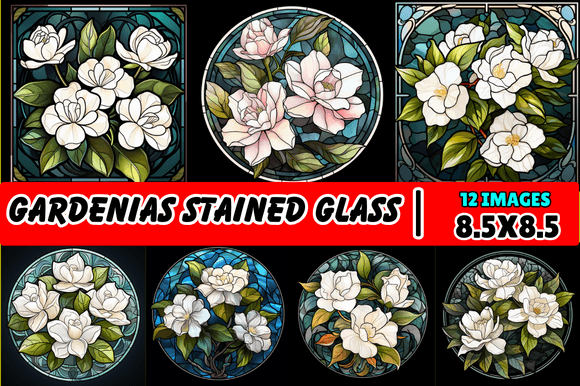
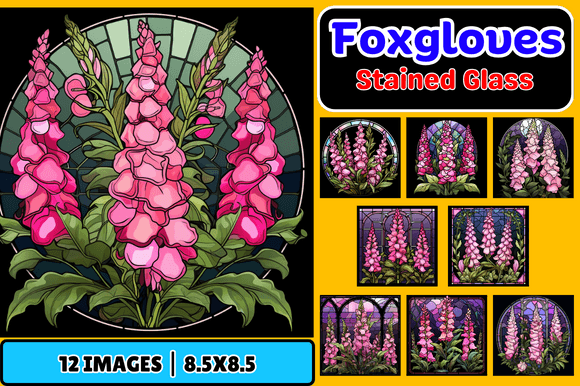
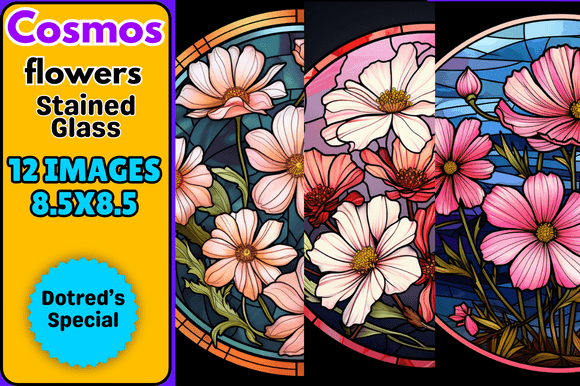
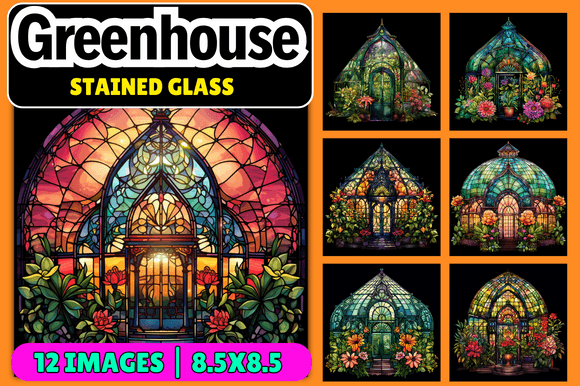
For instance, a comprehensive bundle might include 12 HD images in an 8.5” x 8.5” format, perfect for square social media posts or scrapbook decorations. This standardization simplifies the design workflow, allowing marketers and designers to deploy assets quickly across campaigns.
Elevating Your Creative Workflow
Ultimately, the goal of incorporating specialized design elements like Greenhouse Stained Glass is to enhance communication through visual storytelling. By selecting assets that align with your brand’s voice and aesthetic goals, you create a more cohesive and memorable experience for your audience. Whether you are designing a logo, crafting a wedding invitation, or developing a full brand identity system, the right visual elements can transform a good design into a great one.
Thoughtful design choices reflect professionalism and attention to detail. By leveraging high-quality, versatile assets, you not only save time in the production process but also ensure that every touchpoint—from digital ads to physical merchandise—resonates with clarity and style. Embrace the fusion of nature and geometry to bring a fresh, vibrant perspective to your next creative project.